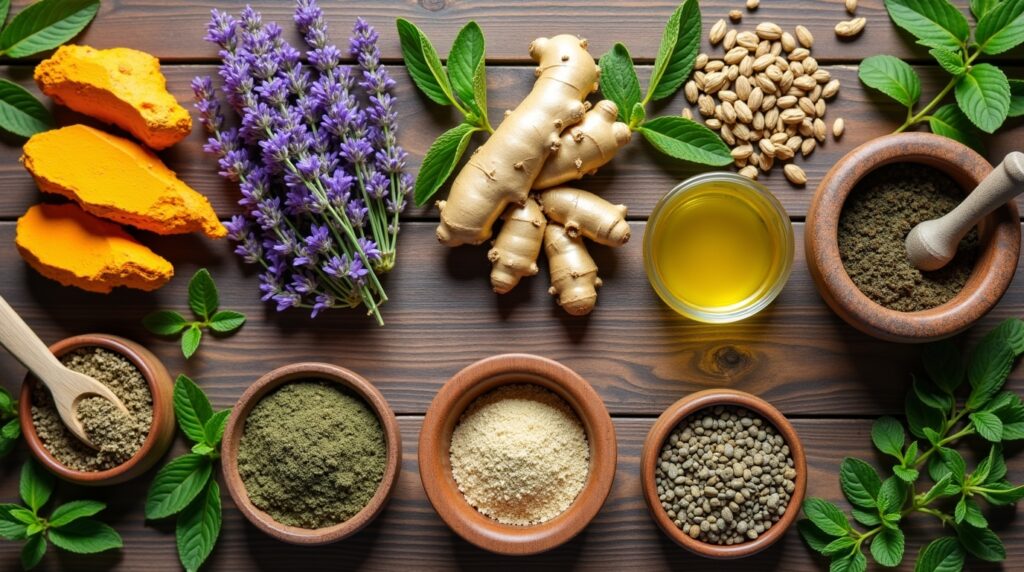

Discover 6 medicinal herbs making a major comeback in 2025. Learn how herbs like turmeric, echinacea, and ashwagandha are being used for modern wellness, immunity, and natural healing. Stay updated with the latest herbal trends!
Introduction
The use of medicinal plants has been a cornerstone of healthcare in many cultures. With the growing awareness of the importance of holistic wellness, these natural remedies are gaining popularity worldwide.
In 2025, the trend is expected to continue, with six key herbs taking center stage. These herbs have been chosen for their potential health benefits and their role in promoting overall well-being.
Key Takeaways
- The resurgence of medicinal herbs is driven by the growing interest in natural remedies.
- Holistic wellness is becoming a major focus in modern healthcare.
- Six key herbs are expected to make a significant impact in 2025.
- These herbs offer various health benefits and promote overall well-being.
- The trend towards alternative medicine is on the rise.
The Resurgence of Natural Remedies in Modern Healthcare
As the limitations of conventional medicine become more apparent, natural remedies are gaining traction in the healthcare sector. The growing awareness of holistic wellness approaches has led to an increased interest in integrating natural remedies into modern healthcare practices.
The wellness industry is driving this trend, with many consumers seeking alternative treatments that complement traditional medicine. Natural remedies offer a more personalized approach to healthcare, allowing individuals to take a more active role in their well-being.
The resurgence of natural remedies is also driven by the desire for more sustainable and environmentally friendly healthcare options. As a result, the healthcare industry is witnessing a shift towards a more integrative model, combining the best of conventional and alternative medicine.
Natural remedies are being increasingly recognized for their potential to prevent and treat various health conditions, from chronic pain to mental health disorders. By embracing natural remedies, individuals can adopt a more comprehensive approach to their health.
The Evolution of Medicinal Herbs Throughout Human History
From ancient times, humans have relied on the healing properties of medicinal herbs to treat ailments and promote well-being. The journey of these natural remedies has been long and varied, shaped by cultural, scientific, and societal changes.
Ancient Healing Traditions
Medicinal herbs have been integral to traditional healing practices across the globe. In ancient China, India, and Egypt, herbs were used not only for their medicinal properties but also in spiritual and ritualistic contexts. For instance, Turmeric was used in Ayurvedic medicine for its anti-inflammatory properties, while Elderberry was utilized in European folk medicine to boost immunity.
The Decline During Pharmaceutical Revolution
The advent of the pharmaceutical revolution in the 20th century marked a significant decline in the use of medicinal herbs. Synthetic drugs, with their perceived higher efficacy and standardization, became the preferred choice for healthcare. However, this shift also led to a loss of traditional knowledge and cultural heritage associated with herbal medicine.
The 21st Century Comeback
In recent years, there has been a resurgence of interest in medicinal herbs, driven by a growing awareness of the limitations and side effects of synthetic drugs. Modern research has begun to validate the efficacy of many traditional herbal remedies, paving the way for their integration into contemporary healthcare practices.
| Herb | Traditional Use | Modern Application |
| Ashwagandha | Stress relief in Ayurvedic medicine | Anxiety and stress management |
| Turmeric | Anti-inflammatory in traditional Indian medicine | Joint pain and inflammation treatment |
| Elderberry | Immune system support in European folk medicine | Immune system boosting and antiviral properties |
“The renaissance of herbal medicine is not just about revisiting old practices; it’s about rediscovering the wisdom of our ancestors and integrating it with modern science to create holistic healthcare solutions.”
The evolution of medicinal herbs is a testament to the adaptability and resilience of traditional practices in the face of changing healthcare landscapes. As we move forward, it is likely that these natural remedies will continue to play a significant role in shaping the future of medicine.
Why These Medicinal Herbs Are Trending in 2025
The resurgence of medicinal herbs in 2025 is a phenomenon driven by multiple factors. As consumers become more health-conscious, they are seeking out natural remedies that align with their wellness goals.
Shift Toward Holistic Wellness Approaches
There is a significant shift toward holistic wellness approaches, with individuals looking beyond conventional medicine to address their health needs. Medicinal herbs offer a natural, holistic approach to health that resonates with this trend. Must Watch Below:
Growing Interest in Natural Alternatives
The growing interest in natural alternatives to pharmaceuticals is another factor driving the trend. Consumers are increasingly wary of synthetic drugs and are seeking out herbal remedies that are perceived as safer and more natural.
Scientific Validation of Traditional Remedies
Scientific validation of traditional remedies has also played a crucial role in the resurgence of medicinal herbs. As research validates the efficacy of these herbs, they become more accepted in mainstream healthcare, further fueling their popularity.
The combination of these factors has contributed to the increased popularity of medicinal herbs in 2025, making them a staple in many people’s wellness routines.
Ashwagandha: The Stress-Fighting Adaptogen
With its roots in Ayurvedic medicine, Ashwagandha has emerged as a significant herb for anxiety and stress management. This adaptogenic plant is renowned for its ability to help the body resist stressors and promote overall well-being.
Historical Uses in Ayurvedic Medicine
Ashwagandha has been used for centuries in Ayurvedic medicine to enhance vitality and promote longevity. It was traditionally used to improve cognitive function, boost energy, and reduce stress.
Modern Applications for Anxiety and Stress
In modern times, Ashwagandha is widely used for its stress-relieving properties. It is often consumed as a supplement to help alleviate anxiety and promote relaxation.
Scientific Research Supporting Its Efficacy
Research has shown that Ashwagandha is effective in reducing cortisol levels and improving stress tolerance.
Clinical Studies on Cortisol Reduction
Studies have demonstrated that Ashwagandha supplementation can significantly reduce cortisol levels, a key indicator of stress.
Research on Sleep Quality Improvement
Additionally, Ashwagandha has been found to improve sleep quality, which is often disrupted by stress and anxiety.
How to Source and Use Ashwagandha
Ashwagandha is available in various forms, including capsules, powders, and teas. When sourcing Ashwagandha, it is essential to choose high-quality products from reputable manufacturers to ensure efficacy and safety.
Turmeric: Beyond the Golden Spice
With its rich history and multifaceted benefits, Turmeric is more than just a kitchen staple. It has been a cornerstone in Eastern medicine, particularly in Ayurvedic and Chinese medical practices, for centuries.
Traditional Uses in Eastern Medicine
Turmeric has been traditionally used to treat various ailments, from digestive issues to skin conditions. Its active compound, Curcumin, is believed to be responsible for its therapeutic effects.
Anti-inflammatory Properties and Modern Applications
The anti-inflammatory properties of Turmeric have made it a popular supplement for managing chronic inflammation, a condition associated with various modern diseases.
Recent Clinical Studies and Findings
Recent studies have focused on Curcumin’s potential in managing chronic diseases.
Curcumin’s Bioavailability Challenges
One of the challenges with Curcumin is its low bioavailability, which can be improved with certain formulations.
Promising Results in Chronic Disease Management
Despite bioavailability issues, Curcumin has shown promising results in managing conditions like arthritis and potentially neurodegenerative diseases.
Innovative Ways to Incorporate Turmeric
Turmeric can be incorporated into daily life in various ways, from adding it to meals to consuming it as a supplement or tea. Its versatility makes it easy to include in a daily wellness routine.
Elderberry: The Immune System Powerhouse
With its rich history and scientific backing, elderberry is emerging as a key player in immune support. This small, dark-purple berry has been used for centuries in traditional medicine.

Elderberry Immune Support
Historical Uses During Epidemics
Elderberry has been utilized during epidemics throughout history, particularly in Europe, where it was used to treat influenza and other infections. Its antiviral properties were valued in traditional remedies.
Contemporary Applications for Immune Support
Today, elderberry is recognized for its potential to support immune function. It is commonly consumed as a supplement or added to various health products to enhance immune support.
Scientific Evidence for Antiviral Properties
Research has validated elderberry’s antiviral properties, showing its effectiveness against certain strains of the flu virus. Specific studies have focused on its impact on upper respiratory infections and inflammatory responses.
Studies on Upper Respiratory Infections
Clinical trials have demonstrated that elderberry extract can reduce the severity and duration of upper respiratory infections, a common cause of illness.
Research on Inflammatory Response
Elderberry has been shown to modulate the body’s inflammatory response, potentially offering protection against chronic inflammation-related diseases.
Sourcing Quality Elderberry Products
When selecting elderberry products, it’s crucial to choose reputable brands that provide high-quality, standardized extracts to ensure efficacy and safety.
Lion’s Mane Mushroom: The Cognitive Enhancer
Traditionally used in Asian cultures, Lion’s Mane Mushroom is emerging as a significant cognitive enhancer. This unique fungus has been a part of traditional medicine for centuries, particularly in China, Japan, and Korea, where it was valued for its health benefits.
Traditional Use in Asian Cultures
In traditional Asian medicine, Lion’s Mane Mushroom was used to support overall health and vitality. It was often consumed as a tea or added to soups for its medicinal properties. The mushroom was believed to promote longevity and improve quality of life.
Neurological Benefits and Brain Health
Lion’s Mane Mushroom is rich in compounds that stimulate the growth of nerve cells, potentially improving cognitive function and memory. Its neuroprotective effects may help in maintaining brain health and preventing age-related cognitive decline.
Emerging Research on Neurodegenerative Diseases
Recent studies have explored Lion’s Mane Mushroom’s potential in addressing neurodegenerative diseases such as Alzheimer’s and Parkinson’s. Its ability to stimulate nerve growth factor (NGF) production is a key area of research.
Nerve Growth Factor Stimulation
Lion’s Mane contains bioactive compounds that may stimulate NGF production, crucial for the growth and maintenance of neurons. This could have implications for treating neurodegenerative disorders.
Cognitive Performance Studies
Some studies have indicated that Lion’s Mane Mushroom can improve cognitive performance in both healthy individuals and those with cognitive impairments. More research is needed to fully understand its effects.
Forms and Recommended Dosages
Lion’s Mane Mushroom is available in various forms, including capsules, powders, and extracts. The recommended dosage varies depending on the form and individual health needs. A typical dosage ranges from 500 mg to 3 g per day.
| Form | Typical Dosage | Preparation |
| Capsules | 500 mg – 1 g | Take with water |
| Powder | 1 g – 2 g | Mix with hot water or tea |
| Extract | 300 mg – 500 mg | Consume directly or mix with water |
Moringa: The Nutrient-Dense Superfood
The Moringa tree, native to parts of Asia and Africa, has been revered for its health benefits across various cultures. Its leaves, seeds, and pods are rich in nutrients, making it a valuable resource for traditional and modern medicine.
Historical Uses Across Continents
Moringa has been used for centuries in traditional practices. In Ayurvedic medicine, it was valued for its adaptogenic properties. In Africa, Moringa leaves were consumed for their nutritional benefits. The historical use of Moringa highlights its versatility and widespread acceptance.
Nutritional Profile and Modern Applications
Moringa is renowned for its dense nutritional profile, including vitamins A, C, and E, as well as minerals like calcium and iron. Modern applications include using Moringa as a dietary supplement, adding its leaves to salads, and consuming its seeds for their purported health benefits.
Scientific Support for Health Claims
Recent studies have validated some of the traditional health claims associated with Moringa. Its anti-inflammatory and antioxidant properties are backed by scientific evidence.
Anti-diabetic Properties
Research indicates that Moringa may help regulate blood sugar levels, making it a potential adjunct in diabetes management.
Cardiovascular Health Benefits
Moringa’s antioxidant properties are believed to contribute to cardiovascular health by reducing cholesterol levels and improving heart function.
| Nutrient | Amount per 100g | Health Benefit |
| Vitamin A | 756 μg | Supports vision and immune function |
| Calcium | 185 mg | Essential for bone health |
| Iron | 7 mg | Crucial for blood health |
Sustainable Sourcing and Consumption
To ensure the long-term benefits of Moringa, it’s crucial to adopt sustainable sourcing practices. This includes supporting local farmers and implementing environmentally friendly cultivation methods.
By integrating Moringa into our diets responsibly, we can harness its nutritional benefits while promoting ecological balance.
CBD: Cannabis’s Non-Psychoactive Medicinal Component
The medicinal potential of CBD, a non-psychoactive compound found in cannabis, is being increasingly explored for various health conditions. CBD has garnered significant attention for its therapeutic benefits without the psychoactive effects associated with THC.
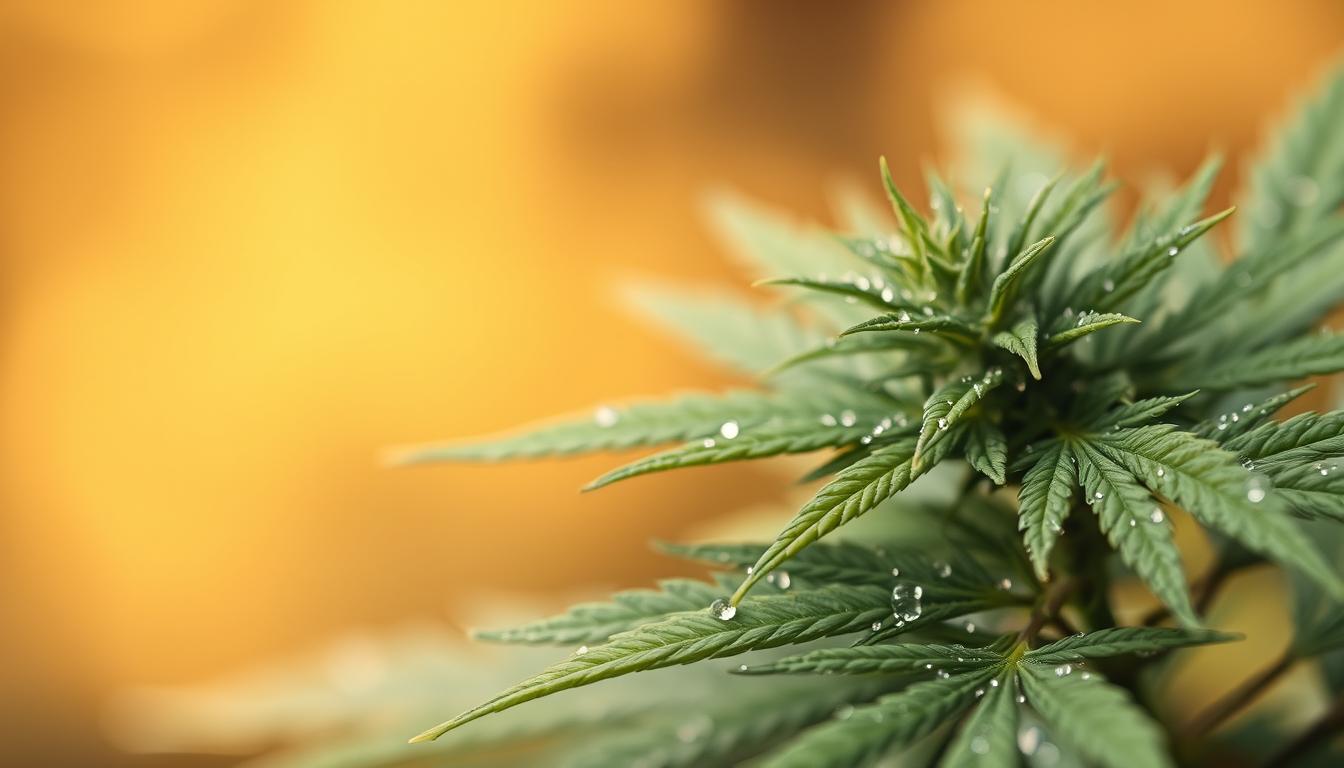
CBD medicinal cannabis
Historical Context and Legal Evolution
CBD’s history is intertwined with the legal status of cannabis. As laws evolve, CBD’s potential as a medicinal agent is becoming more recognized. Research into CBD’s benefits is expanding, driven by changing legal landscapes and growing public interest.
Applications for Pain, Anxiety, and Sleep
CBD is being studied for its potential in addressing pain, anxiety, and sleep disorders. Its non-psychoactive nature makes it an attractive option for those seeking relief without the psychoactive effects of THC.
Current Research and Medical Recognition
Current research supports CBD’s potential therapeutic applications. Interactions with the endocannabinoid system are a key area of study.
Endocannabinoid System Interactions
CBD interacts with the body’s endocannabinoid system, influencing various physiological processes.
FDA-Approved Applications
While CBD itself is not FDA-approved for all uses, Epidiolex, a CBD-based medication, is approved for certain seizure disorders.
Quality Considerations and Dosing Guidelines
Ensuring the quality of CBD products is crucial. Look for products with clear labeling and third-party testing to ensure purity and potency.
How to Integrate These Medicinal Herbs Into Your Daily Wellness Routine
As we continue to explore the benefits of medicinal herbs, it’s essential to understand how to seamlessly incorporate them into our daily wellness routines. Integrating these natural remedies into your daily life can enhance your overall well-being and support a holistic approach to health.
Teas, Tinctures, and Extracts
One of the simplest ways to incorporate medicinal herbs into your daily routine is through teas, tinctures, and extracts. For instance, brewing a cup of ashwagandha tea can be a calming ritual, while a few drops of turmeric tincture can add an anti-inflammatory boost to your day.
Culinary Applications and Recipes
Medicinal herbs can also be integrated into your diet through various culinary applications. Adding turmeric to your morning smoothie or using elderberry jam in your baking are delicious ways to reap their benefits.
| Herb | Forms | Common Uses |
| Ashwagandha | Tea, Capsules, Powder | Stress relief, Anxiety |
| Turmeric | Tincture, Spice, Capsules | Anti-inflammatory, Antioxidant |
| Elderberry | Jam, Syrup, Capsules | Immune support, Antiviral |
Supplements and Standardized Products
For those who prefer a more convenient option, supplements and standardized products containing medicinal herbs are widely available.
Creating a Personalized Herbal Regimen
Creating a personalized herbal regimen involves understanding your specific health needs and selecting the appropriate herbs to support them.
Important Precautions When Using Medicinal Herbs
To fully harness the potential of medicinal herbs, it’s essential to be aware of the potential risks and take necessary precautions. While these natural remedies can offer significant health benefits, their use is not without risks.
Consulting Healthcare Providers Before Use
Before incorporating medicinal herbs into your wellness routine, consult with a healthcare provider, especially if you have underlying health conditions or are taking medications. This step is crucial in avoiding adverse interactions or complications.
Pregnancy and Breastfeeding Considerations
Women who are pregnant or breastfeeding should exercise extra caution when using medicinal herbs. Certain herbs can affect the fetus or baby, so it’s vital to consult healthcare professionals to ensure safe use.
Potential Drug Interactions to Be Aware Of
Medicinal herbs can interact with prescription medications, either enhancing their effects or causing adverse reactions. Being aware of these potential interactions is key to safe herbal use.
Quality, Purity, and Sourcing Concerns
The quality and purity of medicinal herbs can vary significantly depending on the source. Ensuring that herbs are sourced from reputable suppliers is essential for maximizing their benefits and minimizing risks.
Conclusion: Embracing the Future of Natural Medicine
The resurgence of medicinal herbs in modern healthcare is a testament to the growing recognition of natural medicine’s potential. As we’ve explored, herbs like ashwagandha, turmeric, and elderberry are not only rooted in ancient traditions but are also backed by contemporary research, making them valuable components of a holistic wellness approach.
The future of healthcare is likely to be characterized by a continued shift towards integrative medicine, where medicinal herbs play a pivotal role. By understanding the benefits and proper usage of these herbs, individuals can make informed decisions about their health, leveraging the best of both traditional knowledge and modern science.
As we move forward, it’s essential to approach the use of medicinal herbs with a commitment to quality, safety, and efficacy. This includes sourcing products from reputable suppliers and consulting with healthcare professionals when necessary. By doing so, we can harness the full potential of natural medicine to enhance our well-being and shape a healthier future.