
Why Proper Storage Matters
Dried herbs lose their flavor, aroma, and potency over time due to exposure to light, heat, moisture, and air. When stored incorrectly, they can become dull, tasteless, or even develop mold. The goal is to slow down the degradation process so you can enjoy their full flavor in your cooking for months—or even years—to come How to Store and Preserve Dried Herbs?.
Best Containers for Storing Dried Herbs
The right container makes all the difference. Here are the best options:
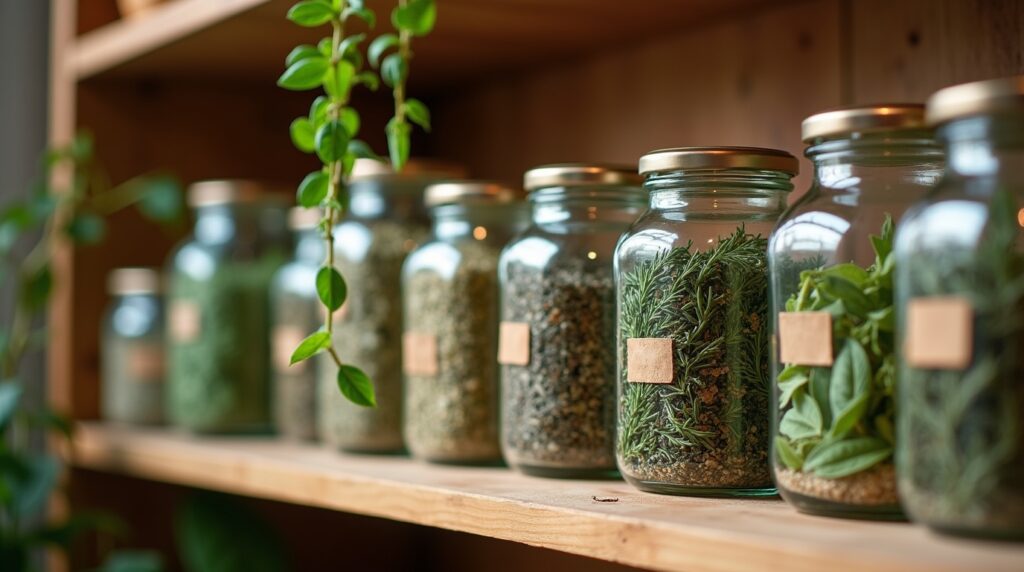
1. Airtight Glass Jars Mason jars or any glass containers with tight-sealing lids are ideal. Glass doesn’t absorb odors and keeps moisture out effectively. Dark-colored glass (like amber or cobalt) is even better because it blocks light.
2. Metal Tins If you prefer something sturdier, metal tins with snug lids work well. Just make sure they’re food-safe and completely dry before filling them.
3. Plastic Containers (Food-Grade Only) W
hile not as good as glass, high-quality, BPA-free plastic containers with airtight seals can be used if glass isn’t an option. Avoid thin plastic bags, as they don’t block air and moisture effectively.
4. Vacuum-Sealed Bags For long-term storage (over a year), vacuum-sealed bags remove air completely, significantly extending shelf life. These are great for bulk storage but less practical for daily use.
Where to Store Dried Herbs & How to Store and Preserve Dried Herbs?

Location is just as important as the container. The best spots are:
Cool, Dark Places
Heat and light degrade herbs quickly. A pantry, cupboard, or drawer away from the stove or oven is perfect.
Away from Moisture
Humidity causes herbs to clump and mold. Avoid storing them near the sink, dishwasher. If you live in a humid climate, consider adding a silica gel pack to absorb excess moisture. How to Store and Preserve Dried Herbs?
Not in the Fridge or Freezer (Usually)
While freezing can preserve some herbs, dried herbs don’t need it and can absorb moisture when taken in and out of the fridge. However, if you live in an extremely hot and humid area, freezing in an airtight container may help.
How Long Do Dried Herbs Last?
Properly stored, most dried herbs retain their best quality for: – Leaves (basil, oregano, thyme): 1–3 years – Seeds (cumin, fennel): 2–4 years – Roots (ginger, turmeric): 3–4 years
Over time, they won’t spoil but will lose flavor. If they smell musty or tasteless, it’s time to replace them.
Tips to Extend Shelf Life
1. Keep Them Whole – Crushing or grinding herbs releases oils, making them lose flavor faster. Store them whole and crush just before use. 2. Label and Date – Write the name and date of storage to keep track of freshness. 3. Small Batches – If you don’t use herbs often, buy or dry in small quantities to ensure you’re using them at their peak. 4. Check for Moisture – If you notice any dampness, spread the herbs on a tray and re-dry them in a low oven (150°F) for 10–15 minutes before storing again.
Reviving Old Dried Herbs
If your herbs have lost some punch but aren’t stale, try: – Toasting lightly in a dry pan to release oils. – Using a bit more in recipes to compensate for faded flavor.

Final Thoughts
Storing dried herbs properly ensures you get the most out of their flavor and aromas. With the right containers, a cool, dark storage spot, and a little attention to moisture, your herbs will stay fresh and ready to elevate your cooking for years. Happy seasoning!
For More: Click Here