
History of Herbal Medicine! Warm cup of chamomile tea can calm a busy mind. That simple habit connects us to a long line of people who turned to plants for relief. For thousands of years, families, healers, and explorers looked to leaves, roots, and bark to soothe pain, lift energy, and support the body in times of illness.
This post traces herbal medicine from prehistoric use to living traditions, from clay tablets and monastic gardens to today’s proven benefits. Many modern drugs began as plant remedies, and research continues to test what our ancestors observed. You will see how cultures recorded what worked, how knowledge traveled, and how herbs can fit your routine in a safe, practical way.
Ready to explore how herbs can enhance your health?
The Ancient Roots of Herbal Healing
 Photo by Antonella Traversaro
Archaeology hints that even Neanderthals used plants, with finds suggesting herbs like yarrow placed in burials about 60,000 years ago. Early people learned by trial and error, watching how plants soothed skin, eased pain, or settled the stomach.
In ancient Mesopotamia, Sumerian scribes pressed notes about plants into clay tablets more than 5,000 years ago. These lists, over 250 plants strong, show a desire to record what helped. In Egypt, healers compiled detailed scrolls, including the famous Ebers Papyrus from around 1550 BCE. Garlic, aloe, and willow appear again and again. Picture aloe spread on sun-tired skin, or willow bark chewed for aches.
Across Asia, traditions took deep root. In China, Shen Nung’s classic book described 365 plant-based medicines, including ginseng. In India, Ayurveda grew as a holistic system over thousands of years, with spices like pepper and turmeric woven into daily life. Herbs were seen as gifts of nature, tools for fevers, wounds, and digestion, and as partners in the balance of body and mind.
Early Evidence from Mesopotamia and Egypt
- Sumerian clay tablets recorded more than 250 plants, including poppy and mandrake, with recipes for everyday problems.
- The Ebers Papyrus listed hundreds of remedies, over 700 by some counts, mixing plant knowledge with careful notes on use. Willow bark appears for pain, aloe for skin, garlic for infections and strength.
These records preserved what worked. They also passed knowledge forward, helping later healers test and refine ideas.
Herbal Traditions in China and India
- Shen Nung’s Pen T’Sao described 365 remedies, with herbs like ginseng for energy and cinnamon for warmth. This is one of the oldest continuous medical traditions.
- Ayurveda’s holistic approach linked herbs to diet, daily habits, and balance. Ghee with turmeric for inflammation, clove for oral health, ginger for digestion, and pepper to spark appetite.
Together, these traditions anchored plant medicine in daily life, not just in clinics.
How Herbal Medicine Shaped History Through the Ages
As trade routes grew, so did the exchange of seeds, spices, and medical books. Knowledge spread from port to port, and people wove new plants into local use.
In classical Greece and Rome, scholars organized what healers knew. Around 50 CE, Dioscorides wrote De Materia Medica, a guide to about 600 plants and their uses. It became a trusted reference for more than a thousand years. Galen, a Roman physician, built on Greek ideas and influenced both Europe and the Islamic world.
During the Islamic Golden Age, thinkers such as Ibn Sina (Avicenna) blended Greek, Roman, and local knowledge in texts like The Canon of Medicine. In medieval Europe, monasteries kept herb gardens, copied manuscripts, and provided care when few other options existed. When printing arrived, herbals reached the public. Early printed guides grew popular, and later, Nicholas Culpeper wrote in plain English so people could use local plants without costly doctors.
Herbalists filled gaps when pharmaceuticals did not exist. They treated headaches, stomach bugs, coughs, rashes, and wounds using what grew at hand. This steady work set the stage for modern pharmacy and many of today’s drugs.
Greek and Roman Influences on Plant Remedies
- Dioscorides’ De Materia Medica organized plants by use and effect. It guided physicians for centuries.
- Galen’s writings connected herbs with anatomy and physiology. Simple examples include chamomile for calm and mint for digestion.
Their work made plant knowledge portable and teachable, which helped it last.
Medieval and Renaissance Advances in Europe
- Ibn Sina’s Canon shaped medical teaching for generations, blending traditions into a clear system.
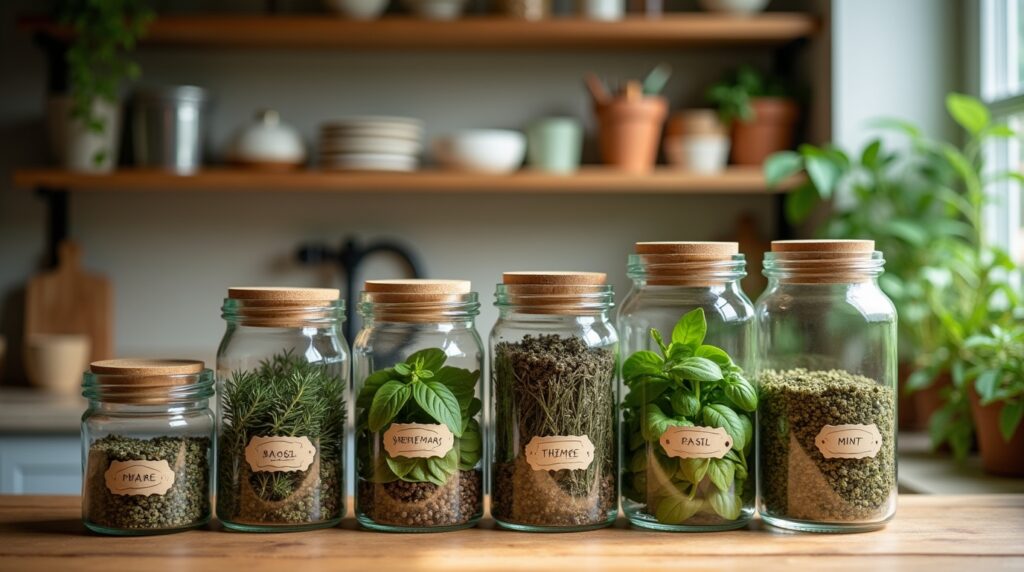
- Monastic gardens kept living libraries of herbs such as sage, thyme, and rosemary, often used for memory and mood.
- Culpeper’s herbal (1654) brought knowledge to everyday readers, showing how to use local plants safely and cheaply.
Printed herbals and trade did the rest, moving remedies across languages and borders.
Unlocking the Health Benefits of Herbs Today
Modern science investigates plant compounds, then confirms, refines, or corrects old claims. Some findings match what ancestors observed. Aspirin’s story is a clear example. People used willow bark for pain for about 3,500 years. Its active compound, salicin, influenced the development of aspirin, which remains a standard pain reliever.
Other herbs show promise too. Garlic has antimicrobial properties that can help with mild infections. Ginseng is studied for energy and immune support. Many people value herbs for gentle effects, natural sourcing, and the way they support whole-body wellness. Still, herbs can interact with drugs, so it is smart to talk with a doctor or pharmacist, especially if you take regular medication, are pregnant, or plan surgery.
Today, herbs show up in teas, tinctures, capsules, and cooking. They often work best as part of a balanced routine, not as a quick fix. Think of them as tools that complement standard care.
Pain Relief and Anti-Inflammatory Powers
- Willow bark: Long used for aches, it contains salicin, which the body converts into a compound similar to aspirin. Studies support its role in easing mild pain and inflammation.
- How it fits: Some people prefer willow bark tea or extracts for occasional joint or back pain. It may be gentler on the stomach than some drugs, but it can still cause upset or interact with blood thinners.
A simple approach helps: start low, monitor how you feel, and avoid combining with other salicylates unless advised by a clinician.
Boosting Immunity and Energy Naturally
- Garlic: Compounds in garlic can fight bacteria and viruses. Research suggests it may help shorten the length of common colds and support immune function.
- Ginseng: Often used to fight fatigue and sharpen focus. Studies indicate it may support immune health and improve energy in some people.
Easy ways to use these herbs:
- Add fresh garlic to soups and sauces at the end of cooking to keep more of its active compounds.
- Choose a standardized ginseng extract if you prefer capsules, and take it in the morning to avoid sleep issues.
A quick safety note: garlic can thin blood at higher doses, and ginseng can affect blood pressure or blood sugar. Check with a professional if you have a condition or take medication.
Table: Classic Herbs and Their Core Uses
| Herb | Traditional Use | Key Compound or Feature | Common Modern Form |
|---|---|---|---|
| Willow bark | Pain relief, inflammation | Salicin | Tea, extract |
| Garlic | Infections, heart health | Allicin | Fresh, capsules |
| Ginseng | Energy, immune support | Ginsenosides | Capsules, tea |
Example: A cup of ginger tea for nausea pairs well with small meals and hydration, and many people find it soothing during travel or pregnancy. Always confirm safety if pregnant.
Conclusion
From Neanderthal burials to monastic gardens and printed herbals, the history of herbal medicine is a chain of careful observation. Cultures recorded what worked, traded seeds and books, and refined methods over time. Today, research confirms benefits for standouts like willow bark for pain, garlic for infections, and ginseng for energy and immunity.
If you want to start small, try ginger tea for nausea or a garlic-rich broth during cold season. Keep your doctor in the loop, since herbs can interact with medicines. Plants and modern care can work together, each adding value.
Ready to take the next step? Visit a local herb garden, pick up a trusted guide, or explore quality teas and tinctures. Your cup of chamomile might be more than a soothing ritual, it is a link to a living tradition that still supports health today.
For more about Health: Click Here