
The Benefits of Growing Your Own Herbs
The advantages of growing your own herbs extend beyond the kitchen, influencing your health, economic savings, and environmental footprint. By cultivating your own herbs, you can enjoy a multitude of benefits that enhance your overall quality of life.
Health Advantages of Fresh Herbs
Growing your own herbs ensures that you have access to fresh, nutrient-rich ingredients for your cooking. Two significant health advantages of fresh herbs are their higher nutrient content compared to store-bought herbs and the absence of pesticides and chemicals.
Higher Nutrient Content Compared to Store-Bought
Freshly harvested herbs contain higher levels of vitamins, minerals, and antioxidants compared to those that have been sitting on store shelves for days. This is because the nutrient content of herbs begins to degrade soon after harvesting.
Absence of Pesticides and Chemicals
By growing your own herbs, you have control over the use of pesticides and chemicals. This means you can avoid exposing yourself and your family to potentially harmful substances, ensuring a healthier diet.
Economic Benefits of Home Herb Gardens
In addition to health benefits, growing your own herbs can also have economic advantages. Two key economic benefits are the cost comparison with store-bought herbs and the reduction of food waste.
Cost Comparison with Store-Bought Herbs
Growing your own herbs can be cost-effective in the long run. Although there may be initial setup costs, the ongoing expense of maintaining an herb garden is typically lower than continually purchasing herbs from a store.
Reducing Food Waste
Having your own herb garden allows you to harvest what you need, when you need it, reducing the likelihood of herbs going to waste. This can lead to significant savings over time.
| Economic Benefits | Store-Bought Herbs | Home-Grown Herbs |
| Initial Cost | $0 | $10 (setup) |
| Ongoing Cost | $5/week | $0.50/week (maintenance) |
| Average Monthly Cost | $20 | $2 |
Environmental Impact of Growing Your Own
Growing your own herbs also has a positive environmental impact. This includes reducing your carbon footprint and supporting pollinators and biodiversity.
Reducing Carbon Footprint
By growing your own herbs, you reduce the need for transportation and packaging associated with store-bought herbs, thereby lowering your carbon footprint.
Supporting Pollinators and Biodiversity
Herb gardens can provide a haven for pollinators like bees and butterflies, supporting local biodiversity and contributing to a healthier ecosystem.
In conclusion, growing your own herbs offers a wide range of benefits, from improved health and economic savings to a reduced environmental impact. By embracing herb gardening, you can enhance your quality of life while contributing to a more sustainable future.
Why Choose Easy-to-Grow Herbs at Home
Easy-to-grow herbs offer numerous benefits for home gardeners, from convenience to culinary delights. These herbs are perfect for those who want to enjoy fresh flavors without the hassle of complex gardening.
Time-Saving Benefits for Busy Households
For busy households, easy-to-grow herbs are a godsend. They require minimal maintenance, allowing you to enjoy fresh herbs without dedicating too much time.
Low-Maintenance Growing Options
Many easy-to-grow herbs thrive with basic care. They are resilient and can survive with occasional neglect, making them perfect for busy individuals.
Quick-Growing Varieties for Instant Gratification
Herbs like basil and cilantro grow quickly, providing instant gratification. You can harvest them in as little as a few weeks, making them ideal for impatient gardeners.
Space Considerations for Urban Gardeners
Urban gardeners often face space constraints, but easy-to-grow herbs can thrive in small areas. Innovative solutions can help maximize your growing space.
Windowsill and Countertop Solutions
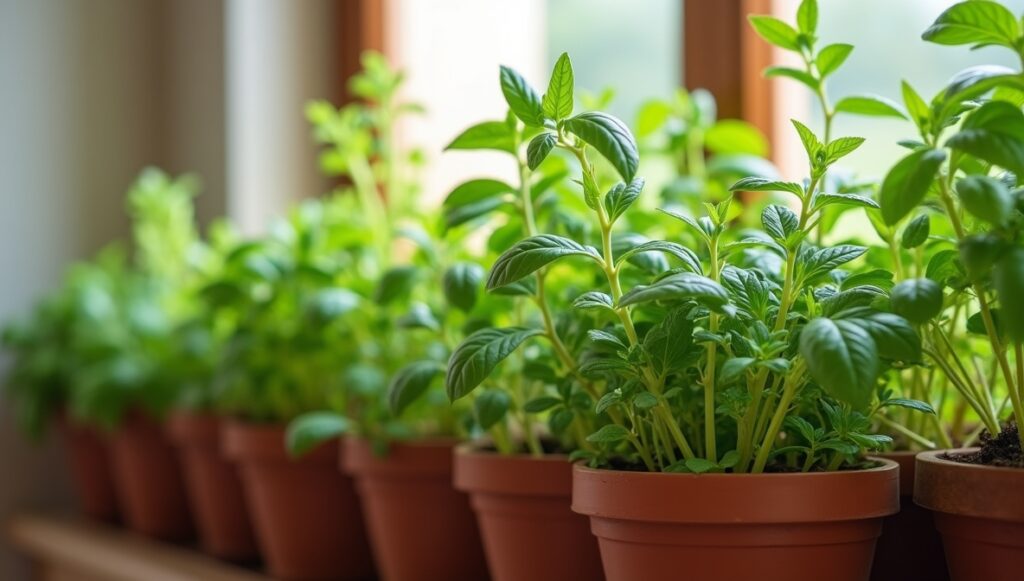
Growing herbs on windowsills or countertops is a great way to utilize small spaces. Many herbs require minimal light and can flourish indoors.
Vertical Growing Systems
Vertical growing systems are perfect for urban gardeners. They allow you to grow multiple herbs in a compact footprint, maximizing your space.
Year-Round Growing Possibilities
One of the significant advantages of growing easy-to-grow herbs is the possibility of year-round cultivation. With the right techniques, you can enjoy fresh herbs
365 days a year.
Indoor Growing During Winter Months
During winter, you can continue growing herbs indoors. Many varieties thrive in indoor conditions, providing a continuous supply of fresh flavors.
Transitioning Between Indoor and Outdoor Growing
Transitioning your herbs between indoor and outdoor growing allows you to take advantage of seasonal benefits. This flexibility ensures your herbs remain healthy and productive.
Essential Tools and Supplies for Your Herb Garden

Creating a thriving herb garden requires the right tools and supplies. To ensure a successful start, it’s essential to understand the basic needs of your herb plants.
Container Options for Indoor and Outdoor Growing
Choosing the right container is crucial for the health of your herbs. Containers come in various materials, each with its pros and cons.
Best Materials for Herb Containers
The material of your container can affect the temperature and moisture levels around your herbs. Terracotta and ceramic pots are popular for their breathability, while plastic and metal containers offer durability.
Drainage Considerations
Proper drainage is vital to prevent waterlogged soil. Ensure your containers have adequate drainage holes to keep your herbs healthy.
Soil and Fertilizer Recommendations
The right soil and fertilizer can significantly impact the growth of your herbs.
Organic vs. Conventional Options
Organic options are ideal for those looking to avoid synthetic chemicals, while conventional fertilizers offer a quick nutrient boost. Consider your gardening philosophy when choosing.
DIY Potting Mix Recipes
Creating your own potting mix can be cost-effective and tailored to your herbs’ needs. A simple mix includes peat moss, perlite, and compost.
Basic Tools Every Herb Gardener Needs
Having the right tools can make a significant difference in your gardening experience.
Essential Hand Tools
A good pair of gardening gloves, pruners, and a trowel are essentials for any herb gardener.
Watering Equipment
A watering can or a hose with a spray nozzle will help you water your herbs efficiently.
| Tool/Supply | Purpose |
| Gardening Gloves | Protects hands while gardening |
| Pruners | Trims and shapes herb plants |
| Trowel | Transplants and mixes soil |
Basil: The Versatile Italian Staple
Among the myriad of herbs used in cooking, basil stands out for its distinct flavor and numerous health benefits. This popular herb is a staple in Italian cuisine, and its uses extend beyond cooking to offer various health advantages.
Growing Requirements and Conditions
Growing basil requires careful attention to its light, temperature, and watering needs. To thrive, basil needs well-drained soil and adequate sunlight.
Light and Temperature Needs
Basil prefers warm temperatures between 65°F and 75°F (18°C to 24°C) and at least 4-6 hours of direct sunlight per day. Optimal growing conditions are crucial for healthy basil plants.
Watering Schedule and Techniques
Consistent moisture is key, but basil does not like wet feet. Watering should be done carefully to avoid fungal diseases. Water at the base of the plant to minimize moisture on the leaves.
Health Benefits and Nutritional Value
Basil is not only a flavorful addition to meals but also offers several health benefits. It is rich in antioxidants and has anti-inflammatory properties.
Antioxidant Properties
The antioxidants in basil help protect against cell damage and reduce the risk of certain diseases. Basil’s antioxidant properties make it a valuable addition to a healthy diet.
Anti-inflammatory Effects
Basil contains compounds that have been shown to reduce inflammation, which can help alleviate symptoms of various health conditions.
Culinary Uses and Preservation Methods
Basil is a versatile herb used in many dishes, from pesto to caprese salads. To enjoy basil year-round, it’s essential to know how to preserve it.
Fresh Applications in Cooking
Fresh basil adds flavor to a variety of dishes. Use it in salads, as a garnish, or blended into sauces.
Drying and Freezing Techniques
To preserve basil, you can dry it or freeze it. Drying helps retain the herb’s flavor and aroma, while freezing preserves its nutritional value.
Common Problems and Solutions
Growing basil can come with challenges such as pests and bolting. Understanding how to address these issues is crucial for a healthy harvest.
Dealing with Pests
Pests like aphids and spider mites can damage basil plants. Use organic pest control methods to manage infestations.
Preventing Bolting
Bolting occurs when basil plants flower and seed, reducing leaf production. Pinching off flower buds can encourage leaf growth.
Mint: The Refreshing and Vigorous Grower
Mint, known for its invigorating aroma and taste, is a popular herb among gardeners and chefs alike for its ease of growth and versatility in recipes. This hardy herb can thrive in a variety of conditions, making it an excellent addition to any home garden.
Growing Requirements and Containment Tips
Growing mint requires some special considerations, primarily due to its vigorous and spreading nature. To keep mint from overtaking other plants, it’s essential to contain it properly.
Controlling Mint’s Spreading Habit
One effective way to control mint’s spread is by planting it in containers or designated areas where it can’t easily escape. Using barriers or edging can also help keep mint within bounds.
Ideal Growing Conditions
Mint prefers moist soil and partial shade, although it can adapt to a range of light conditions. Regular watering is crucial, especially during hot weather.
Health Benefits and Medicinal Uses
Mint is not only a flavorful addition to dishes but also offers several health benefits. Its medicinal properties make it a valuable herb for digestive issues and respiratory health.
Digestive Aid Properties
Mint is known to aid digestion and relieve symptoms of indigestion and nausea. Its calming effects on the stomach make it a popular ingredient in teas and digestive remedies.
Respiratory Benefits
The invigorating scent of mint can help ease respiratory issues, such as congestion and asthma, by opening up airways.
Culinary Applications and Beverage Ideas
Mint’s refreshing flavor makes it a versatile ingredient in both sweet and savory dishes, as well as in beverages.
Fresh Uses in Drinks and Desserts
Fresh mint leaves are perfect for adding to drinks like mojitos and teas, and they can also be used to garnish desserts or salads.
Drying and Storing Mint
To preserve mint, it can be dried or frozen. Dried mint retains much of its flavor and can be stored for later use in recipes.
Varieties Worth Growing
There are several varieties of mint worth growing, each with its unique characteristics and flavors.
Peppermint vs. Spearmint
Peppermint has a stronger, more intense flavor, while spearmint is milder. Both are useful in different culinary and medicinal applications.
Specialty Mints (Chocolate, Apple, etc.)
Specialty mints, such as chocolate mint and apple mint, offer unique flavors that can add an interesting twist to recipes.
Rosemary: The Aromatic Mediterranean Herb
Rosemary, with its pine-like fragrance and needle-like leaves, is a staple herb in Mediterranean cuisine, offering both culinary and health benefits. This versatile herb is not only a favorite among chefs for its flavor-enhancing properties but also valued by gardeners for its hardiness and ease of care.
Growing Requirements and Overwintering Tips
Rosemary thrives in well-drained soil and full sun, making it ideal for gardens with plenty of sunlight. When it comes to overwintering, rosemary requires some protection, especially in colder climates.
Light and Soil Preferences
Rosemary prefers well-drained soil and can tolerate a range of soil pH levels. It requires full sun to grow robustly, making south-facing spots ideal.
Protecting from Cold Weather
To protect rosemary from harsh winter conditions, mulching around the base and covering with a frost cloth can help insulate the plant. In extremely cold climates, bringing potted rosemary indoors or into a greenhouse is advisable.
Health Benefits and Traditional Uses
Rosemary has been used for centuries for its medicinal properties, including improving memory and cognitive function. It is also rich in antioxidants, which can help protect against various diseases.
Memory Enhancement Properties
Compounds in rosemary, such as carnosic acid, have been shown to have neuroprotective effects, potentially enhancing memory and reducing the risk of neurodegenerative diseases.
Antioxidant Benefits
The antioxidants in rosemary can help reduce inflammation and protect cells from damage, contributing to overall health and well-being.
Culinary Applications and Pairing Suggestions
Rosemary is a versatile herb used in a variety of dishes, from roasted meats to vegetable dishes and infused oils.
Meats and Roasted Vegetables
Rosemary pairs well with lamb, chicken, and roasted vegetables like potatoes and carrots, adding a fragrant flavor to these dishes.
Infused Oils and Vinegars
Infusing rosemary into oils or vinegars can create flavorful condiments for cooking and dressings, enhancing the taste of various dishes.
Pruning and Maintenance
Regular pruning is essential to maintain the shape and health of rosemary plants. It encourages new growth and prevents the plant from becoming leggy.
Shaping Techniques
Prune rosemary in the spring, removing any dead or damaged branches. Shaping the plant helps maintain its appearance and promotes healthy growth.
Rejuvenating Older Plants
For older rosemary plants, a hard prune can rejuvenate the plant, encouraging new growth and improving its overall health.
Thyme: The Low-Maintenance Flavor Enhancer
Thyme stands out as a low-maintenance herb that brings significant flavor to a range of culinary creations. Its hardiness and versatility make it a favorite among gardeners and chefs alike.
Growing Requirements and Varieties
Thyme is relatively easy to grow, requiring well-drained soil and full sun. It thrives in a variety of conditions, making it suitable for different types of gardens.
Soil and Drainage Needs
Thyme prefers well-drained soil to prevent root rot. Ensuring good drainage is crucial, especially in wet climates.
Popular Culinary Varieties
Some popular varieties include English thyme, French thyme, and Lemon thyme, each offering unique flavors and aromas.
Health Benefits and Medicinal Properties
Thyme is not only a flavorful addition to dishes but also offers several health benefits. It has been used for centuries for its medicinal properties.
Antimicrobial Qualities
Thyme contains compounds that have antimicrobial properties, helping to fight off infections and promote overall health.
Respiratory Support
Thyme has been traditionally used to support respiratory health, helping to alleviate symptoms of coughs and colds.
Culinary Uses and Flavor Profile
Thyme adds a rich, savory flavor to a variety of dishes, from soups and stews to roasted meats and vegetables.
Enhancing Soups and Stews
Thyme is a staple in many soups and stews, adding depth and warmth to these comforting dishes.
Herb Blends and Combinations
Thyme is often combined with other herbs like rosemary and oregano to create flavorful herb blends.
Harvesting and Preserving
To enjoy thyme year-round, it’s essential to know how to harvest and preserve it properly.
When and How to Harvest
Thyme is best harvested in the morning, after the dew has dried but before the heat of the day.
Drying and Storing Methods
Thyme can be dried by tying sprigs in small bunches and hanging them upside down in a warm, dry place. Store dried thyme in airtight containers.
Cilantro/Coriander: The Two-in-One Herb
Cilantro and coriander, though often referred to interchangeably, represent two distinct aspects of the same plant, offering a unique dual benefit to gardeners and cooks alike. This versatility makes cilantro/coriander an attractive choice for home gardeners looking to maximize their herb yield.
Growing Requirements and Succession Planting
Growing cilantro requires careful consideration of its growing requirements. It thrives in cooler temperatures and well-drained soil. Succession planting every few weeks can ensure a continuous supply of fresh leaves.
Temperature Considerations
Cilantro is sensitive to high temperatures, which can cause it to bolt. It’s best grown in temperatures between 50°F and 85°F (10°C and 30°C).
Preventing Early Bolting
To prevent early bolting, choose slow-bolting varieties and provide partial shade during the hottest part of the day.
Health Benefits of Leaves and Seeds
Both cilantro leaves and coriander seeds offer numerous health benefits. They are rich in antioxidants and have been associated with several health benefits.
Detoxifying Properties
Cilantro is known for its potential detoxifying properties, helping to remove heavy metals from the body.
Digestive Support
Coriander seeds have been used to support digestive health, reducing symptoms of indigestion and bloating.
Culinary Uses Across Global Cuisines
Cilantro leaves and coriander seeds are used in various global cuisines, adding flavor and depth to dishes.
Fresh Leaves in Mexican and Asian Dishes
Fresh cilantro leaves are a staple in Mexican salsas and Asian salads, providing a burst of freshness.
Seeds in Indian and Middle Eastern Cooking
Coriander seeds are fundamental in Indian and Middle Eastern cooking, used in curries and stews for their warm, earthy flavor.
Harvesting Both Leaves and Seeds
To maximize the yield, it’s essential to know when and how to harvest both the leaves and seeds.
Timing for Leaf Harvest
Leaves are best harvested when the plant is young and tender, typically within a few weeks of sowing.
Collecting and Using Seeds
Seeds are ready to harvest when they turn brown and dry. They can be used whole or ground in a variety of dishes.
| Aspect | Cilantro Leaves | Coriander Seeds |
| Culinary Use | Used fresh in salsas, salads, and as garnish | Used whole or ground in curries, stews, and baking |
| Health Benefits | Rich in antioxidants, potential detoxifying properties | Supports digestive health, anti-inflammatory properties |
| Harvesting | Best harvested when young and tender | Ready when brown and dry |
Chives: The Beginner-Friendly Allium
For those new to herb gardening, chives are an excellent starting point due to their ease of growth and versatility. Chives are a hardy, perennial herb that requires minimal care, making them perfect for busy gardeners or those just starting out.
Growing Requirements and Division Methods
Chives thrive in well-drained soil and partial shade to full sun. They are relatively drought-tolerant but perform best with consistent moisture.
Light and Watering Needs
To keep your chives healthy, ensure they receive at least 4-6 hours of direct sunlight daily. Water them regularly, but avoid overwatering, which can lead to root rot.
Dividing and Propagating
Chives become clumpy over time and benefit from division every few years. Simply dig up the clump, separate it into smaller sections, and replant them.

Health Benefits and Nutritional Profile
Chives are not only a flavorful addition to meals but also offer several health benefits. They are rich in vitamins A and K, and contain antioxidants that can help protect against certain diseases.
Cardiovascular Support
The antioxidants and anti-inflammatory compounds in chives may help support heart health by reducing inflammation and improving blood lipid profiles.
Immune-Boosting Properties
Chives contain vitamin C, which is known for its immune-boosting properties. Regular consumption can help support the immune system.
Culinary Uses and Garnishing Ideas
Chives add a mild onion flavor to dishes and are a versatile ingredient in many recipes. They can be used fresh or dried, and are a great addition to soups, salads, and sauces.
Adding to Dairy Products
Mix chopped chives into sour cream or yogurt for a delicious dip, or sprinkle them over cheese for added flavor.
Incorporating into Egg Dishes
Chives complement egg dishes beautifully. Try adding them to omelets, scrambled eggs, or frittatas for a burst of flavor.
Growing Garlic Chives as an Alternative
For those who prefer a stronger garlic flavor, garlic chives are a great alternative. They have a distinct garlic taste and can be used similarly to regular chives.
Flavor Differences
Garlic chives have a more pronounced garlic flavor compared to regular chives, making them ideal for dishes where a garlic taste is desired.
Specific Growing Requirements
Garlic chives have similar growing requirements to regular chives but may require more frequent watering due to their higher water content.
Parsley: The Nutritional Powerhouse
Parsley is more than just a garnish; it’s a nutritional powerhouse that deserves a spot in every herb garden. This versatile herb is not only a great addition to various dishes but also offers numerous health benefits.
Growing Requirements and Varieties
Parsley is relatively easy to grow and can thrive in both indoor and outdoor settings. It prefers well-drained soil and partial shade to full sun.
Flat-Leaf vs. Curly Parsley
There are two main varieties of parsley: flat-leaf and curly. Flat-leaf parsley is often preferred for its flavor, while curly parsley is commonly used as a garnish.
Germination Challenges and Solutions
Parsley seeds can be slow to germinate, but soaking them in water before planting can help speed up the process.
Health Benefits and Detoxifying Properties
Parsley is rich in vitamins and minerals, making it a great addition to a healthy diet.
Vitamin and Mineral Content
It’s an excellent source of vitamin K, vitamin C, and iron.
Kidney Support and Cleansing
Parsley has been traditionally used to support kidney health and aid in detoxification.
Culinary Uses Beyond Garnishing
Parsley can be used in a variety of dishes, from salads and soups to sauces and marinades.
Mediterranean Applications
It’s a staple in Mediterranean cuisine, often used in tabbouleh and as a fresh addition to grilled meats.
Herb Sauces and Condiments
Parsley can be blended into sauces like chimichurri or used to make a fresh herb butter.
Overwintering Techniques
To keep parsley through the winter, it can be brought indoors or protected in a cold frame.
Indoor Growing During Cold Months
Parsley can be grown indoors in a pot, provided it gets enough light.
Second-Year Growth Patterns
Parsley is a biennial, meaning it will bolt in its second year. Planning for succession is key.
Oregano: The Pizza Herb with Medicinal Properties
Oregano, a herb commonly used in pizza and Mediterranean dishes, offers more than just taste. It is renowned for its medicinal properties and is a staple in many herb gardens.
Growing Requirements and Harvesting Tips
Oregano is relatively easy to grow and requires well-drained soil and full sun. It thrives in slightly dry conditions, making it perfect for areas with moderate rainfall.
Soil and Drainage Preferences
Oregano prefers well-drained soil to prevent root rot. A mix of compost and perlite can enhance drainage.
Pruning for Bushier Growth
Regular pruning encourages bushier growth and prevents the plant from becoming leggy. Pinch off flower buds to direct the plant’s energy towards leaf production.
Health Benefits and Antimicrobial Properties
Oregano is rich in antioxidants and has antimicrobial properties, making it a valuable herb for health and wellness.
Natural Antibiotic Qualities
The essential oils in oregano have been shown to have antibacterial properties, making it a natural remedy for various infections.
Respiratory Support
Oregano oil is used to support respiratory health, helping to alleviate symptoms of colds and coughs.
Culinary Uses in Mediterranean Cooking
Oregano is a key ingredient in Mediterranean cuisine, adding depth to dishes like pizza, pasta sauces, and salads.
Enhancing Tomato-Based Dishes
Oregano pairs well with tomatoes, enhancing the flavor of sauces and salads.
Dried vs. Fresh Applications
While fresh oregano is delicious, dried oregano is more concentrated and can be used in spice blends and rubs.
Greek vs. Italian Varieties
There are several varieties of oregano, with Greek and Italian being two of the most popular.
Flavor Differences
Greek oregano is known for its robust flavor, while Italian oregano is milder.
Growing Considerations
Both varieties are relatively easy to grow, but Greek oregano is more cold-hardy.
Sage: The Savory Herb for Cooking and Healing
Sage is a versatile herb that has been cherished for centuries for its culinary and medicinal properties. This perennial herb is not only a flavorful addition to various dishes but also offers numerous health benefits, making it a valuable asset in any kitchen garden.
Growing Requirements and Care
To grow sage successfully, it’s essential to understand its basic needs. Sage thrives in well-drained soil and full sun, making it ideal for gardens with plenty of sunlight.
Light and Water Needs
Sage requires at least 6 hours of direct sunlight daily. It’s also relatively drought-tolerant, but consistent moisture promotes healthier growth. Ensuring good air circulation around the plants helps prevent fungal diseases.
Pruning to Prevent Woodiness
Regular pruning is crucial to maintain sage’s flavor and texture. Prune the plant in early spring, removing any dead or damaged branches. This encourages new growth and prevents the herb from becoming woody.
Health Benefits and Traditional Uses
Sage has been used for centuries for its medicinal properties. It’s known to support cognitive function and has been traditionally used to alleviate menopausal symptoms.
Cognitive Support
Studies suggest that sage may improve memory and cognitive function, making it a potential natural remedy for conditions like Alzheimer’s disease.
Menopausal Symptom Relief
Sage has been traditionally used to reduce hot flashes and other menopausal symptoms. Its effectiveness in this area is attributed to its ability to influence hormone regulation.

Culinary Applications in Holiday Cooking
Sage is a staple in many holiday dishes, particularly those featuring poultry. Its savory flavor complements a variety of ingredients, making it a versatile herb for cooking.
Pairing with Poultry and Stuffing
Sage is classically paired with roasted chicken and turkey. It adds depth to stuffing and can be used to make a delicious sage butter for roasting.
Sage Butter and Infusions
Mixing sage with butter creates a flavorful compound that can be used for roasting meats or vegetables. Sage can also be infused in oil or vinegar for a subtle herbal flavor.
Ornamental Value in the Garden
Apart from its culinary and medicinal uses, sage is also valued for its ornamental qualities. Variegated and colored varieties add visual interest to gardens.
Variegated and Colored Varieties
Varieties like ‘Tricolor’ and ‘Purpurascens’ offer attractive foliage that can enhance garden aesthetics. These varieties can be used in container gardens or as borders.
Companion Planting Benefits
Sage is known to repel certain pests, making it a beneficial companion plant. It can be planted alongside vegetables like cabbage and carrots to deter pests naturally.
| Variety | Culinary Use | Ornamental Value |
| Common Sage | Highly versatile, used in stuffing and roasting | Green foliage, can be leggy |
| Tricolor Sage | Similar to common sage, with variegated leaves | High, due to its colorful foliage |
| Purpurascens Sage | Used for its purple leaves, adds color to dishes | High, with its attractive purple foliage |
Conclusion: Starting Your Herb Garden Journey
Embarking on the journey of growing your own herbs at home can be a rewarding experience, providing fresh flavors and numerous health benefits. As we’ve explored, easy-to-grow herbs like basil, mint, and rosemary are perfect for beginners, offering versatility in cooking and medicinal properties.
Starting an herb garden is simpler than you might think. With the right tools and a bit of knowledge, you can enjoy a thriving herb garden that enhances your culinary creations and contributes to a healthier lifestyle. Whether you’re a seasoned gardener or herb gardening for beginners, the joy of cultivating your own herbs is undeniable.
As you begin your herb gardening journey, remember to choose herbs that suit your taste preferences and growing conditions. Experiment with different recipes, and don’t be afraid to try new things. With a little practice, you’ll be harvesting fresh herbs in no time, and enjoying the many benefits they have to offer.
For More: Click Here